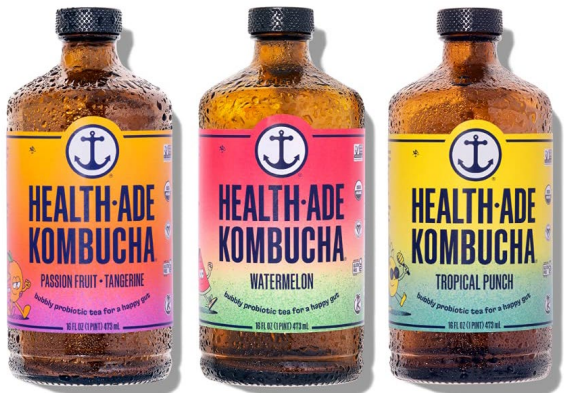
Health-Ade Kombucha Reaches Settlement in PFAS 'Forever Chemicals' Lawsuit
The popular kombucha brand, Health-Ade LLC, has recently reached a confidential settlement in a class action lawsuit that accused its products of containing harmful levels of per- and polyfluoroalkyl substances (PFAS), commonly known as "forever chemicals." This development marks a significant moment for consumer advocacy and spotlights the ongoing scrutiny facing the food and beverage industry regarding product safety and transparency. For many consumers dedicated to making informed health choices, this
Health-Ade Kombucha: Debunking 'Natural' Claims Amid PFAS & Sugar Woes amidst various product claims, raises critical questions about what truly constitutes a "healthy" beverage.
The lawsuit, spearheaded by New York kombucha enthusiast Alanna Morton, alleged that Health-Ade misleadingly marketed its kombucha as natural and organic, despite the purported presence of these persistent industrial chemicals. While the specific terms of the settlement remain undisclosed, U.S. District Judge Cathy Seibel dismissed the class action lawsuit *with prejudice*. This legal term signifies that the case cannot be refiled or reopened, effectively bringing the matter to a close, unless the settlement itself falls through, for which Morton was granted a 30-day window to restore the action.
The Health-Ade Kombucha PFAS Lawsuit: A Closer Look at "Forever Chemicals"
The crux of the **Health Aid Kombucha Lawsuit** revolved around the alleged presence of PFAS in the brand's products. Morton's legal filing detailed claims that independent laboratory testing had detected concerning levels of PFAS in specific Health-Ade kombucha flavors. These "forever chemicals" constitute a vast family of over 4,000 synthetic chemical compounds. They earned their alarming nickname due to their exceptional persistence in the environment and their ability to accumulate in human bodies over time, resisting degradation.
The concern surrounding PFAS is not merely environmental; it's deeply rooted in potential public health ramifications. Exposure to these chemicals has been linked to a wide array of serious health problems, including:
- Increased risk of certain cancers (e.g., kidney, testicular)
- Liver damage and disease
- Decreased fertility and adverse reproductive outcomes
- Elevated cholesterol levels
- Increased risk of asthma and thyroid disease
- Weakened immune system response
Given these documented health risks, Morton contended that Health-Ade's marketing, which heavily emphasized the natural and healthy attributes of its kombucha, was fundamentally misleading. Consumers, she argued, were purchasing these products under the assumption of their purity and health benefits, without any disclosure of the alleged PFAS contamination. The lawsuit sought to represent all consumers who had purchased Health-Ade products containing PFAS, highlighting the collective desire for accurate product information.
Beyond PFAS: Health-Ade's History of Scrutiny
This recent settlement regarding PFAS is not the first instance of Health-Ade facing legal challenges over its product claims. In 2019, the company agreed to a $4 million settlement to resolve a separate class action lawsuit. That earlier legal action alleged inconsistencies between the sugar and alcohol levels stated on its kombucha labels and the actual content found in the products.
The 2019 settlement brought about significant changes in Health-Ade's operational practices, including:
- Regular Testing: A commitment to routinely test sugar and alcohol levels to ensure accuracy.
- Warning Statements: Implementation of warning statements on bottles, emphasizing the importance of refrigeration and acknowledging the potential presence of trace amounts of alcohol.
- Formulation Adjustments: Agreement to modify product formulations to address and rectify the sugar and alcohol content discrepancies.
This pattern of legal battles, from alleged mislabeling of basic nutritional facts to concerns over hazardous chemical contaminants, places Health-Ade among a growing number of companies under increased scrutiny. It underscores a broader industry trend where brands are being held more accountable for the claims they make and the ingredients within their products. For a deeper dive into the brand's various encounters with legal challenges, explore
Health-Ade Kombucha's Legal Battles: PFAS, Sugar, and Misleading Claims.
Furthermore, the initial reference context also brought to light Health-Ade Kombucha's high sugar content, which, despite its probiotic benefits, often contradicts the "healthy" image projected to consumers. This discrepancy is particularly concerning for those advocating for public well-being, as excessive sugar intake is a known contributor to metabolic diseases like type 2 diabetes and liver disease. This highlights the critical importance of scrutinizing nutritional labels and not relying solely on marketing rhetoric, even for products perceived as health-oriented.
Navigating the Kombucha Market: What Consumers Need to Know
In light of these developments, consumers are increasingly empowered to make more informed choices when selecting kombucha and other health-focused beverages. Here are practical tips to help you navigate the market:
- Read Ingredient Lists Carefully: Don't just glance at the front label's marketing claims. Turn the bottle around and examine the full ingredient list for clarity and transparency. Look for recognizable ingredients.
- Scrutinize Nutritional Panels: Pay close attention to sugar content. While kombucha naturally contains some sugar for fermentation, very high amounts can negate other health benefits. Compare brands and choose those with lower sugar profiles.
- Question "Natural" and "Healthy" Claims: These terms are often loosely regulated and can be misleading. As demonstrated by the **Health Aid Kombucha Lawsuit**, a product labeled "natural" may still contain undesirable substances or have unexpected nutritional profiles. Look for specific certifications (e.g., USDA Organic, Non-GMO Project Verified) that indicate adherence to stricter standards.
- Research Brands: A quick online search can often reveal valuable information about a company's practices, past legal issues, or commitment to product safety and transparency. Consumer reviews and independent lab test reports can also be insightful.
- Consider Brewing Your Own: For those deeply committed to controlling ingredients and avoiding unwanted additives, brewing kombucha at home offers complete transparency and customization.
- Stay Informed: Follow reputable consumer advocacy groups and health organizations that monitor food safety and product claims.
The Broader Implications for the Food and Beverage Industry
The Health-Ade Kombucha settlement, along with similar lawsuits against other food and beverage companies, signals a growing trend: increased scrutiny of product safety, ingredient sourcing, and marketing claims across the entire industry. Consumers are no longer passively accepting brand narratives; they are demanding greater transparency and accountability.
This shift is likely to spur several changes:
- Enhanced Testing and Quality Control: Companies may invest more heavily in robust internal and third-party testing protocols to detect contaminants like PFAS and ensure label accuracy.
- Clearer Labeling: There will be pressure to provide more precise and less ambiguous information on product labels, especially regarding "natural" or "healthy" claims.
- Supply Chain Transparency: Brands will need to have a deeper understanding of their entire supply chain to identify and mitigate potential sources of contamination, from raw ingredients to packaging materials.
- Proactive Consumer Engagement: Companies that prioritize clear communication and proactively address consumer concerns are likely to build stronger brand loyalty and trust.
Ultimately, consumers play a vital role in driving this change. By demanding transparency, supporting brands with strong ethical practices, and holding companies accountable through informed purchasing decisions and, when necessary, legal avenues, they can shape a future where food and beverage products truly align with health and safety expectations.
Conclusion
The settlement of the **Health Aid Kombucha Lawsuit** concerning PFAS allegations serves as a powerful reminder of the persistent challenges in ensuring product safety and maintaining consumer trust. While the specific terms remain private, the dismissal of the lawsuit underscores the serious nature of concerns surrounding "forever chemicals" and the industry's responsibility to address them. This event, coupled with Health-Ade's previous legal entanglements over sugar and alcohol content, highlights a broader movement towards greater transparency and accountability within the food and beverage sector. As consumers, our ability to make informed choices is paramount. By carefully examining labels, researching brands, and demanding clear, honest communication, we can collectively steer the market towards a future where "healthy" and "natural" claims genuinely reflect what's inside the bottle.